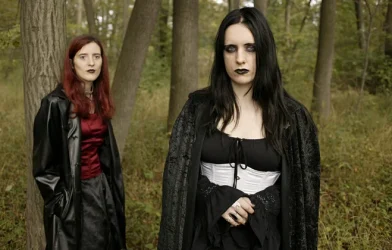


Gothic fashion has always carried a fascination with shadows, decay, and the uncanny—but in the world of horror and literature, this fascination goes deeper than dark clothing. Enter the Body Gothic—a subgenre that shifts fear from haunted castles and graveyards to the body itself. It explores transformation, fragility, and the thin line between beauty and grotesque.
Much like how a pair of tripp pants can visually distort the human form through exaggerated silhouettes and rebellious style, Body Gothic pushes us to see the body as both powerful and vulnerable. Whether through literature, film, or fashion, it reminds us that identity itself is unstable, fluid, and often unsettling.
From Classic Gothic to Body Horror
Traditional Gothic tales such as Mary Shelley’s Frankenstein and Edgar Allan Poe’s chilling stories focused on haunted spaces and inner torment. But Body Gothic shifted the focus: the body itself became the site of horror. Shelley’s creature embodies the fear of science gone too far, while Poe’s dismembered and decaying characters expose the fragility of flesh.
These early explorations laid the foundation for modern horror’s obsession with bodily change, from grotesque mutations to transgressions of identity. Just as the Gothic outfit evolves—from an intricate gothic outfit dti (“dress to impress”) for dramatic flair to casual goth outfits female stylings for everyday wear—so too does horror continually reinterpret the body as a site of meaning and fear.
The Grotesque Body: Literature and Theory
The Russian critic Mikhail Bakhtin described the grotesque body as always incomplete, always in transformation. This mirrors how the Gothic body is portrayed in horror—constantly mutating, breaking boundaries, and disturbing social norms. It’s a reminder that bodies are not fixed—they’re unstable, messy, and deeply connected to culture and fear.
Body Gothic thrives in this tension, reminding us that what society considers “taboo” is often where true meaning hides. Whether it’s blood, decay, or transformation, these depictions ask us to confront mortality, desire, and the fragility of identity.
Modern Voices of Body Gothic
- Clive Barker – In Books of Blood and The Hellbound Heart, Barker explores the fusion of pain and pleasure, revealing the beauty and terror of bodily transformation.
- Richard Laymon – Known for raw violence, his novels confront the body’s vulnerability, exposing the brutal extremes of survival.
- Joseph D’Lacey – With works like Meat, he uses grotesque imagery to critique consumerism and humanity’s exploitation of nature.
- Matthew Stokoe – His infamous Cows employs graphic, nihilistic depictions of decay to expose alienation and societal breakdown.
Each of these authors embodies the essence of Body Gothic: the body as both a site of terror and a canvas for meaning.

Themes of Transformation, Punishment, and Taboo
- Transformation & Identity – Mutations often symbolize struggles with identity, trauma, or desire. Just as fashion transformations—from tripp pants to dramatic corsets—signal identity shifts, Body Gothic’s transformations externalize the inner self.
- Mutilation as Punishment – Grotesque harm becomes a metaphor for societal failures, cycles of violence, and the fragility of human justice.
- The Abject – Philosopher Julia Kristeva described the abject as that which disgusts and fascinates us simultaneously—blood, decay, or bodily fluids. Body Gothic thrives here, forcing us to face what we’d rather avoid.
Body Horror in Film
Cinema has amplified Body Gothic’s impact, bringing flesh and fear to the screen:
- The Cabinet of Dr. Caligari (1920) – Early surreal visuals distort the body and psyche.
- The Fly (1986) – David Cronenberg’s masterpiece turns transformation into a metaphor for disease and decay.
- Saw (2004) – Bodies become sites of punishment, testing morality and survival.
- Hostel (2005) – Human suffering is commodified, echoing fears of exploitation.
- The Human Centipede (2011) – A shocking meditation on control and dehumanization.
- American Mary (2012) – Explores body modification as both art and revenge, challenging beauty norms and autonomy.
Each film interrogates bodily fear while also exposing cultural anxieties about power, identity, and the fragility of existence.
Why Body Gothic Matters Today
The ongoing appeal of Body Gothic lies in its ability to reflect cultural fears through the human form. Just as gothic fashion allows people to express individuality—from casual goth outfits female styles to bold gothic outfit dti looks for special occasions—Body Gothic shows how transformation and vulnerability can be empowering as well as terrifying.
In a world shaped by biotechnology, pandemics, and shifting identities, the genre continues to resonate. By forcing us to confront what it means to live in fragile, changing bodies, Body Gothic ensures that flesh itself remains at the center of gothic storytelling.
✨ In fashion and in horror alike, the body is never just a body—it’s a canvas, a battlefield, and a story. Whether through tripp pants, corsets, or cinematic grotesquery, the Gothic continues to remind us that darkness is where we discover both fear and beauty.