

The Birth of Emo: A Brief History
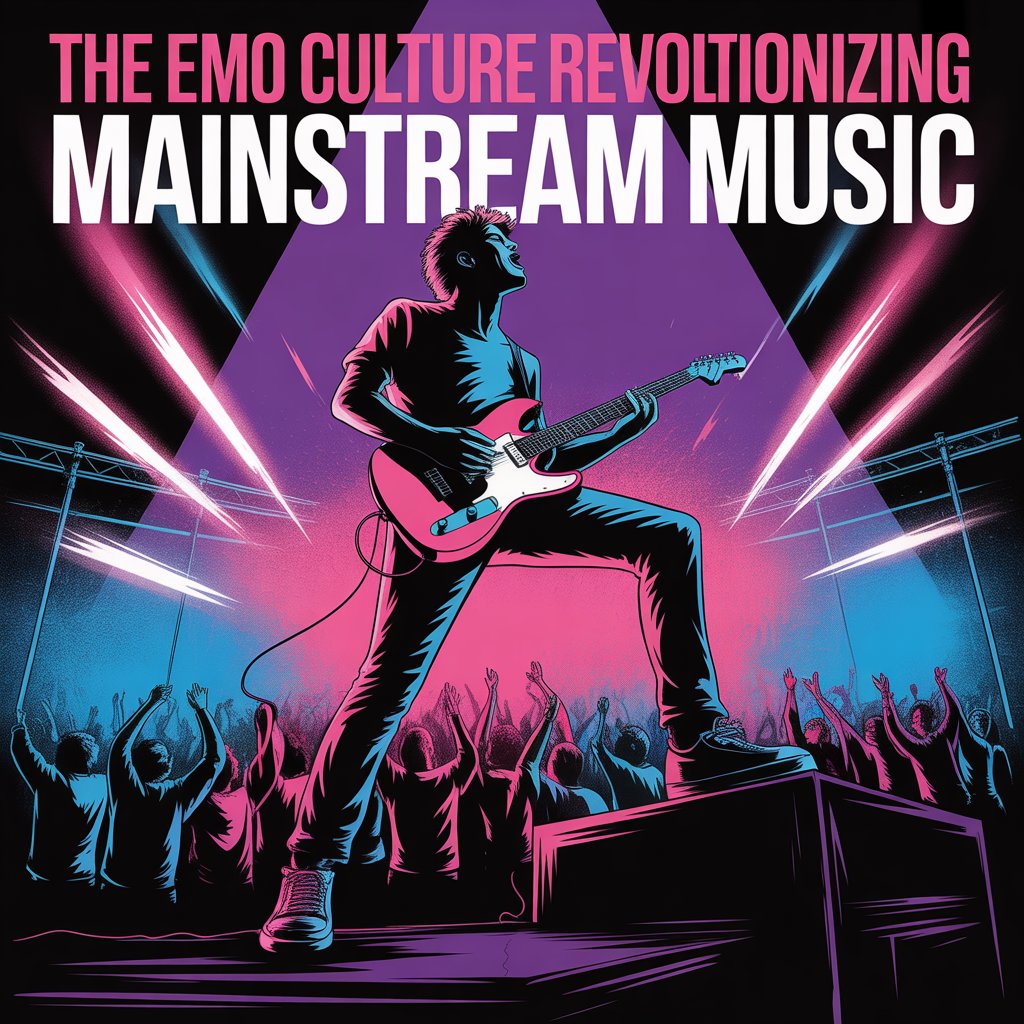
Emo, short for emotional hardcore, first appeared in the punk rock scene. Bands like Rites of Spring and Embrace shaped the foundation in the mid-1980s with their raw, heartfelt lyrics and intense sound. But it wasn’t until the late 1990s and early 2000s that emo fully developed its identity through iconic bands like My Chemical Romance, Fall Out Boy, and Dashboard Confessional.
Their music connected with a generation facing heartbreak, identity struggles, and the ups and downs of adolescence. While emo music was powerful, the aesthetic of emo culture also played a huge role in its mainstream rise.
Fashion Choices
Skinny jeans, band t-shirts, layered emo outfits, and flannel shirts quickly became staples of the subculture.
Striking Hairstyles
Brightly dyed hair, side-swept bangs, and edgy cuts defined the emo look.
Body Modifications
Piercings and tattoos carried personal stories and symbolized rebellion, making them central to emo identity.
Together, these style choices weren’t just about appearance—they helped people connect through shared expression.
Lyrical Themes: A Deep Dive into Emotion
One of emo’s most defining features is its lyrical depth. Unlike many mainstream genres, emo music openly explores mental health struggles, heartbreak, friendship, and personal growth.
Emo Lyrics That Hit Home
As emo spread, many mainstream artists began embracing these themes. This shift transformed music across pop, rock, and even hip-hop.
- Relatable Content – Songs about heartbreak, healing, and self-discovery resonated widely.
- Vulnerability as Strength – Artists started discussing mental health more openly.
- Blending Genres – Emo merged with pop-punk, alternative, and hip-hop, reaching new audiences.
This emotional openness reshaped modern music and inspired a culture where honesty became a strength.
The Impact on Contemporary Music Scenes
Breakout Artists and the Emo Revival
Modern stars like Lil Peep, Machine Gun Kelly, and Halsey have brought emo elements back into the spotlight. Their music appeals to both older fans and new listeners, proving that emotional honesty is timeless.
- Crossover Appeal – Emo-infused pop and rap now attract massive fanbases.
- Fandom Community – Online platforms have made the emo revival global.
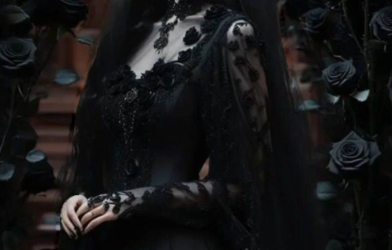
- Fashion & Aesthetics – From piercings to romance gothic outfit styling, emo-inspired looks are trending again.
Fostering Self-Expression Through Fashion
Fashion remains a cornerstone of emo culture. Teens and young adults express their emotions through bold emo outfits, layered accessories, unique hairstyles, and piercings.
The Role of Piercings in Emo Culture
Piercings symbolize more than style—they are powerful statements of identity. Within emo culture, they represent:
- A Canvas of Expression – Each piercing carries deep personal meaning.
- Connection to Community – Shared looks create bonds.
- Defiance & Authenticity – A way to reject conformity and embrace individuality.
Alongside piercings, gothic party outfit styling has emerged, blending gothic elegance with emo’s emotional core.
Interactive Emo Culture: Fans and Social Media
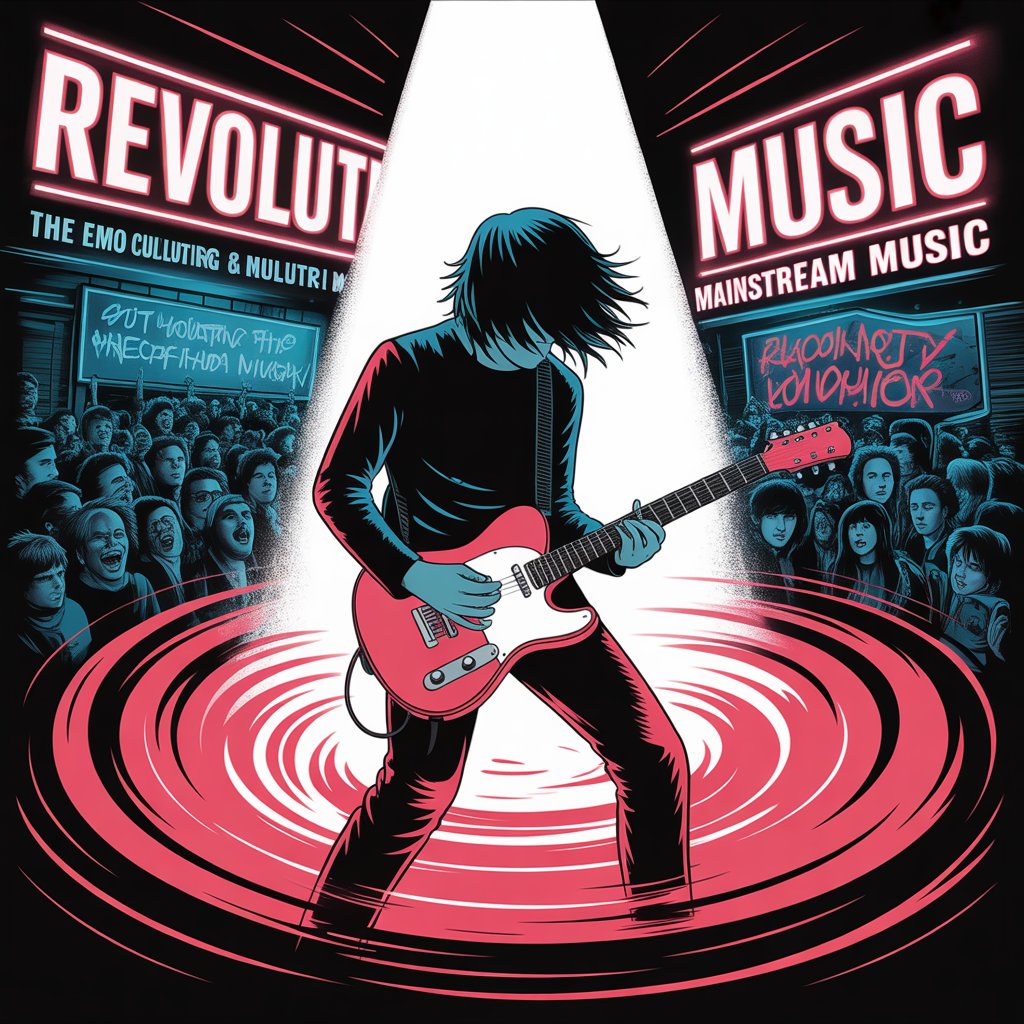
Social media platforms like TikTok and Instagram have amplified the emo revival. Fans engage by posting outfits, sharing music covers, and creating lifestyle content. Emo culture has become more interactive, global, and accessible than ever before.
Building Connections Through Events
Emo isn’t just online—it thrives in real life too. Revival tours and emo-themed festivals bring fans together for unforgettable experiences.
- Sharing personal stories and struggles
- Connecting emotionally through live performances
- Celebrating creativity with art, lyrics, and fashion displays
These events strengthen the emo community and keep the culture alive.
The Ripple Effect of Emo on Broader Culture
Emo has shaped mainstream society far beyond music:
- Genre Blending – Emo influences pop, rap, and punk seamlessly.
- Representation – Artists from diverse backgrounds share their voices.
- Cultural Shifts – Mental health awareness is now a mainstream conversation.
More Than a Musical Genre: Emo as a Movement
At its core, emo is not just music—it’s a cultural revolution built on vulnerability and self-expression. Through emo outfits, romance gothic outfit aesthetics, and gothic party outfit styling, the movement continues to thrive in both music and fashion.
Emo’s Enduring Legacy
As music evolves, emo’s influence will remain. Its commitment to raw emotion, creativity, and authenticity ensures its lasting place in cultural history.
From style to piercings to music, emo encourages generations to embrace individuality and express emotions fearlessly—making it one of the most powerful and enduring movements of modern times.