

In the vast world of alternative fashion and youth culture, three powerful subcultures often stand out—Goth, Emo, and Scene. While they share some similarities in their love for music, fashion, and non-conformity, each community has its own story, aesthetic, and way of self-expression. For fans of gothic outfit styles, emo fashion, or the colorful scene movement, understanding these differences helps celebrate the richness of alternative lifestyles.
The Goth Subculture: Dark Elegance and Individualism
The Goth subculture first emerged in the late 1970s and early 1980s, influenced by post-punk music and gothic rock bands like Bauhaus and The Cure. Known for its dark, romantic, and mysterious aesthetic, goth culture has become one of the most recognizable alternative movements worldwide.
Fashion & Aesthetic
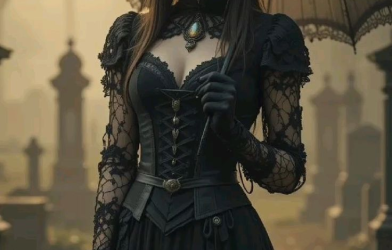
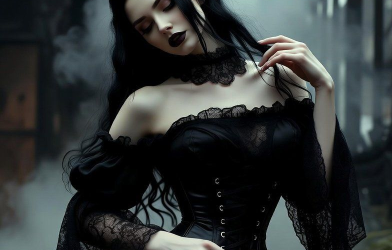
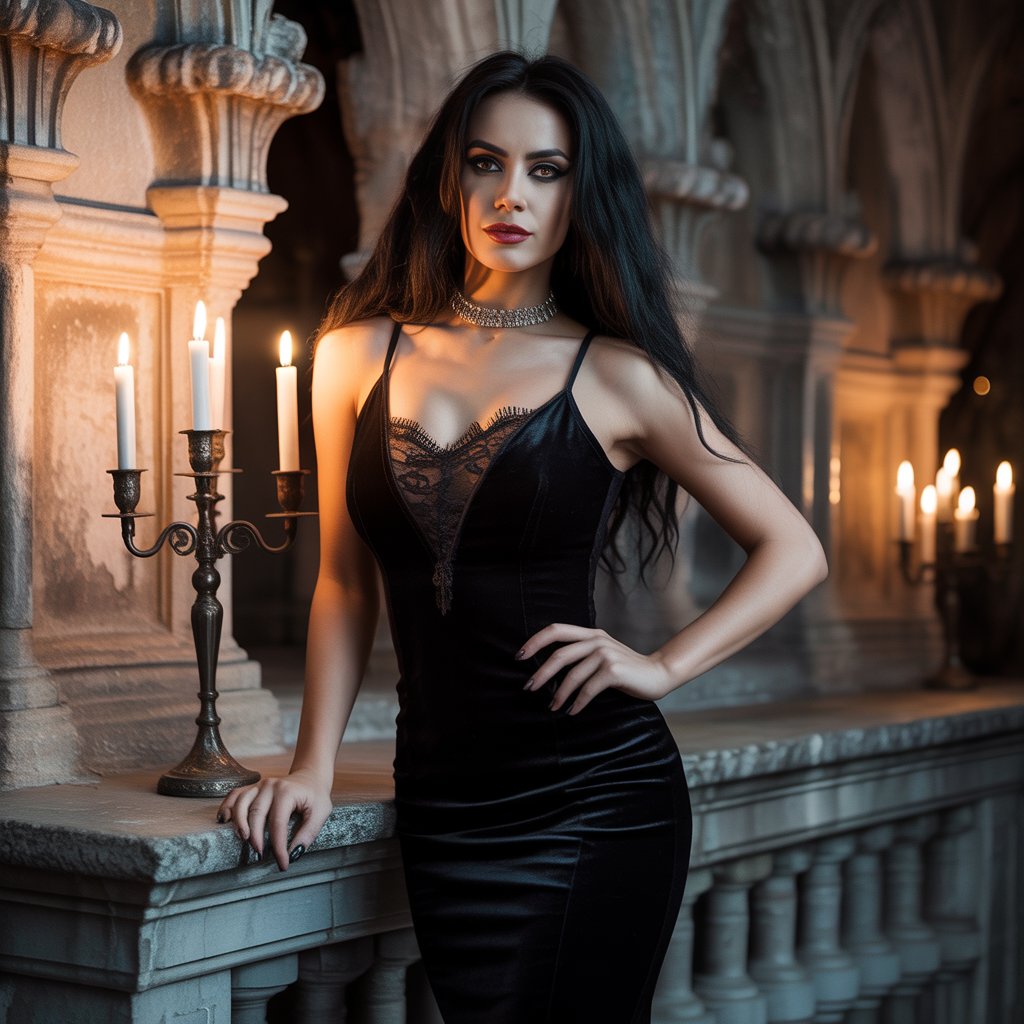
Goth style is iconic—black clothing, lace, leather, velvet, and silver jewelry dominate the wardrobe. Dramatic makeup with pale foundations, bold eyeliner, and dark lipsticks further define the look. Popular fashion staples range from corsets and platform boots to tripp pants and layered accessories. For those searching for inspiration, gothic outfits female often feature long skirts, lace tops, chokers, and Victorian-inspired pieces that blend timeless elegance with a dark edge.
Music & Philosophy
Goth music spans gothic rock, darkwave, and industrial, all characterized by haunting sounds and introspective lyrics. More than just fashion, the goth lifestyle values individualism, creativity, and an appreciation of the mysterious and macabre.
The Emo Subculture: Emotional Expression Through Music
The Emo subculture grew from the hardcore punk scene of the 1980s, placing heavy emphasis on emotion and vulnerability. Its name, short for “emotional hardcore,” reflects its raw lyrics and heartfelt music.
Fashion & Aesthetic
Emo fashion became iconic in the early 2000s. Skinny jeans, band t-shirts, studded belts, and converse sneakers defined the look. Hairstyles often featured side-swept bangs, dyed streaks, and jet-black tones. Compared to goth, emo fashion is less dramatic but equally expressive, showing individuality through subtle rebellion.
Music & Attitude
Bands like My Chemical Romance, Dashboard Confessional, and Fall Out Boy helped emo enter the mainstream. Emo culture values authenticity, emotional honesty, and creativity. While often misunderstood, it represents resilience and connection through shared struggles.
The Scene Subculture: Colorful Rebellion
Emerging in the early 2000s, the Scene subculture blended elements of emo, punk, and alternative music but expressed itself in a much brighter and playful way.
Fashion & Aesthetic
Unlike goth’s dark elegance or emo’s muted tones, scene fashion is bold and vibrant. Neon colors, graphic tees, skinny jeans, and extravagant hairstyles with teased, brightly dyed hair became the scene trademark. Accessories like bows, colorful bracelets, and animal prints completed the look.
Music & Lifestyle
Scene kids embraced genres like pop-punk, screamo, and electronicore, with bands like Panic! At The Disco and Blood on the Dance Floor gaining traction. Social media played a huge role in the rise of this movement, as platforms like Myspace and Tumblr helped scene kids share music, fashion, and their distinct identity.
Key Differences Between Goth, Emo, and Scene
- Goth: Dark, mysterious, and elegant. Music-driven with roots in gothic rock and post-punk. Fashion staples include black clothing, lace, leather, and tripp pants for a rebellious twist.
- Emo: Emotional, introspective, and vulnerable. Known for skinny jeans, band tees, and hairstyles with fringes. Music is confessional and heart-driven.
- Scene: Bright, colorful, and social. Fashion is loud, with neon accessories and bold hairstyles. Music is fun, energetic, and tied closely to online communities.
Gothic Outfit Influence Today
While emo and scene had their peak in the 2000s, the gothic outfit continues to evolve and thrive. From traditional Victorian-inspired clothing to modern tripp pants and streetwear hybrids, gothic style remains timeless. For those exploring gothic outfits female, the possibilities are endless—from romantic lace dresses to edgy leather looks.
The beauty of alternative fashion lies in its diversity. Whether you identify with the haunting allure of goth, the emotional core of emo, or the colorful creativity of scene, each subculture represents individuality, creativity, and freedom of expression.
✨ At Gothic Outfit, we celebrate the diversity of alternative culture by embracing dark elegance, rebellious fashion, and self-expression. Whether your heart belongs to gothic outfits female, emo staples, or a bold gothic outfit styled with tripp pants, your style is your story.