

What is Goth?
The Goth subculture arose from dark yet romantic inspirations found in music, style, architecture, and the elements of gothic literature. More than just a fashion statement, Goth has left an undeniable mark on culture, influencing runway collections, street style, movies, and music. It is an explosion of individuality that reflects mystery, creativity, and timeless allure.
Different Influences in Goth Subculture
The Goth aesthetic draws heavily from Medieval, Edwardian, and Victorian influences, as well as the elements of gothic literature and romanticism. The scene gained momentum in the 1980s with bands like Siouxsie and the Banshees, Joy Division, and Bauhaus, yet its roots stretch back to Gothic art and architecture of the 12th–16th centuries.
From the Gothic Quarter in Barcelona to Leipzig, home of the Wave Gotik Treffen festival, Gothic culture has long embraced the mysterious and dramatic. These inspirations reflect the same aesthetic depth you see echoed in modern design trends, whether in fashion or even typography such as news gothic font and copperplate gothic bold.
Ideology
The ideology of Gothic culture is complex, leaning toward individuality and expression rather than activism. Like the artistic movements of Romanticism and Neo-Romanticism, Goth embraces existentialism, theatricality, and self-expression. Its aesthetic—black attire, dramatic makeup, and pale skin—embodies a philosophy of diversity, creativity, and personal freedom. Unlike punk or hippie movements, Goth avoids political activism, focusing instead on artistic rebellion.
What is Goth Fashion?
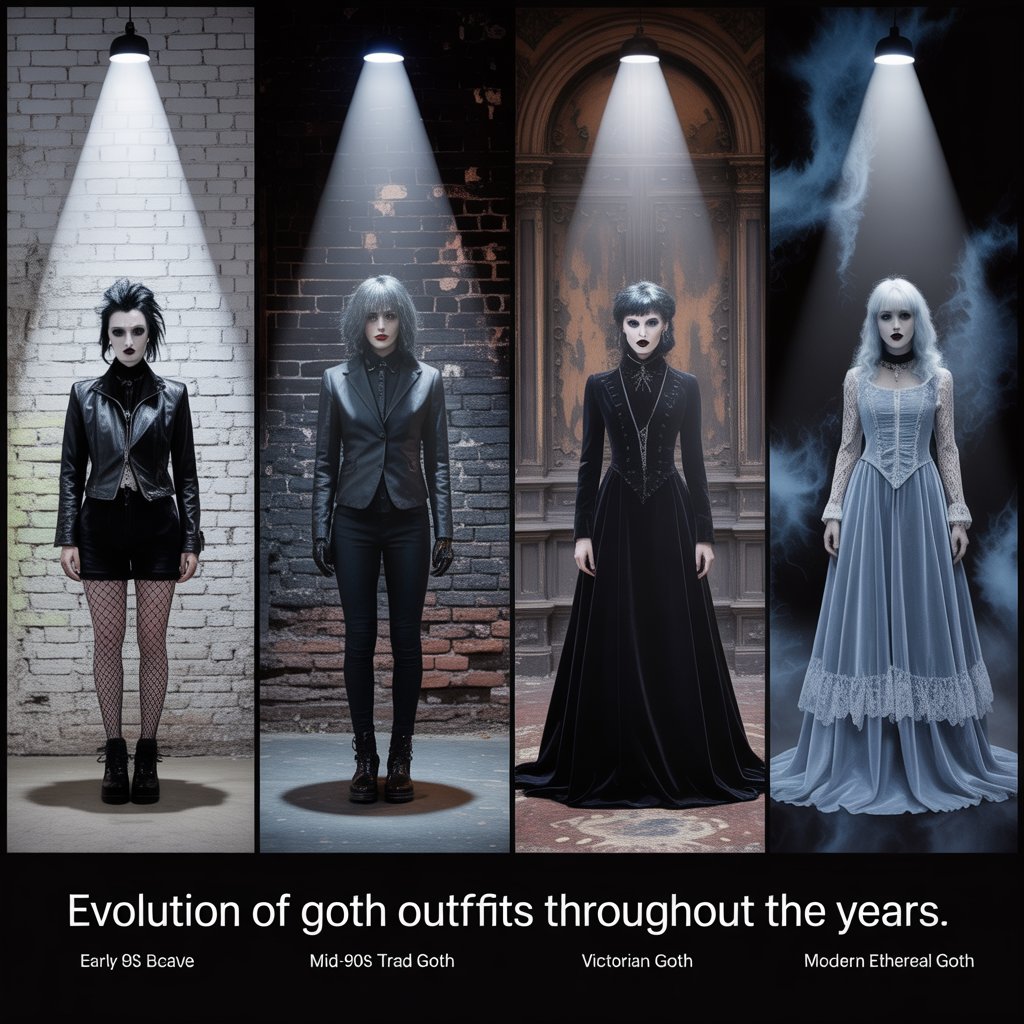
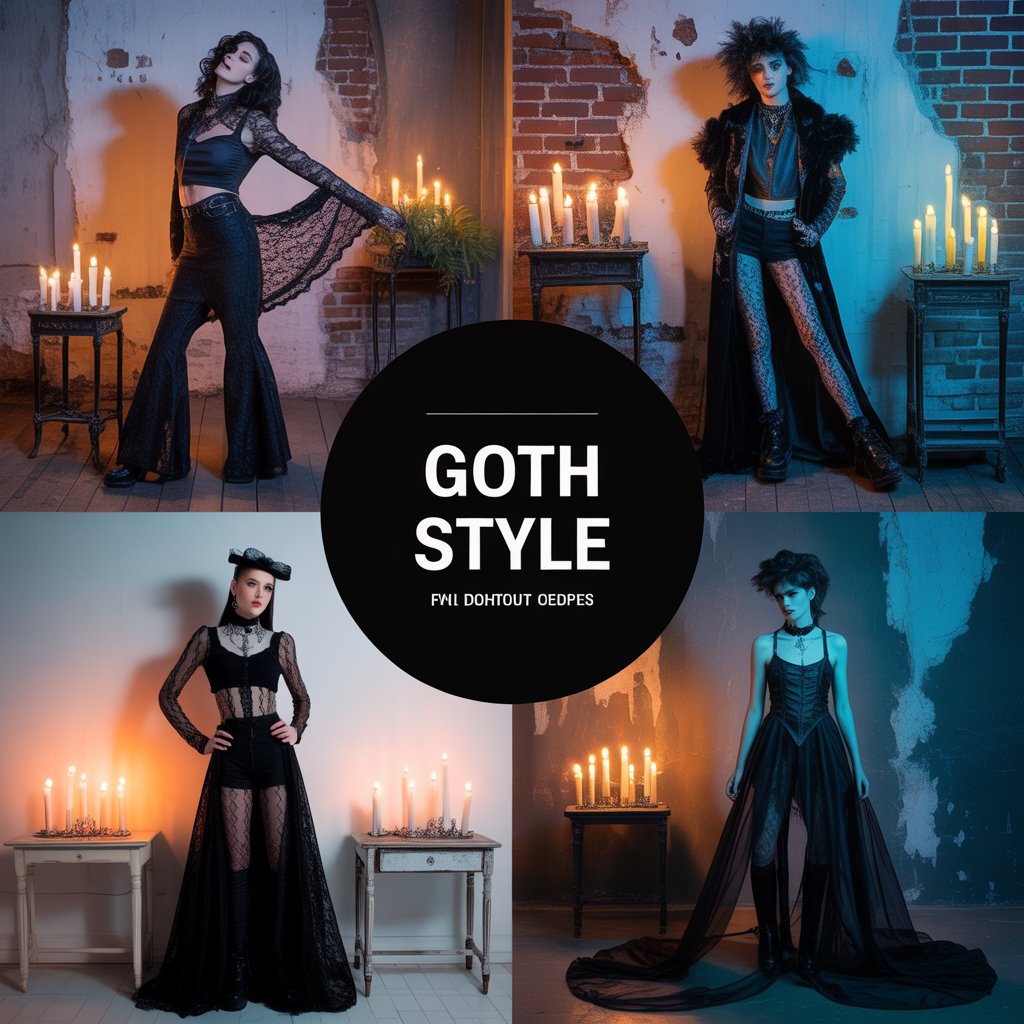
Goth fashion emerged prominently in the 1980s, merging rebellious punk elements with Victorian romanticism. The result was a striking look: pale makeup or corpse paint paired with elegant dresses, corsets, leather jackets, and spiked accessories. This unique fusion established Goth fashion as a recognizable and evolving global style.
Goth Origin – Where it All Began
Although the fashion flourished in the 1980s, the term “Goth” dates back to the 1960s, when it was first applied to music genres. Bands like Siouxsie and the Banshees and The Damned shaped the early scene, while cinema such as Werner Herzog’s Nosferatu (1979) and David Lynch’s Eraserhead (1977) pushed the Gothic image further into mainstream culture.
Goth 1980’s Fashion
The 1980s Goth aesthetic was dominated by dark eyeliner, velvet cloaks, mourning attire, and dramatic silhouettes. Siouxsie Sioux’s signature style—black clothing, bold eyeliner, and deep lipstick—became iconic, setting the tone for an entire generation.
Goth 1990’s Fashion
The 1990s embraced mini-skirts, skinny jeans, black dresses, and leather jackets. The punk influence remained strong, giving Gothic fashion a rebellious and edgy energy.
Goth 2000’s Fashion
The 2000s were characterized by bold eyeshadow in black and red, thin brows, dual-tone hair, and dreadlocks. Accessories such as cut-out gloves and layered outfits defined this era. Goth models began to rise in popularity, pushing the aesthetic into mainstream visibility.
Goth Fashion in Present Day
Today, Goth fashion is thriving on runways and in streetwear. Designers like Rick Owens, Yohji Yamamoto, and Noir Kei Ninomiya showcase Gothic-inspired collections featuring plaid, spikes, mismatched layers, and chains. Elements of modern design—whether in modern gothic art, typography like cartoon gothic, or experimental fashion—reflect the movement’s constant reinvention.
Different Types of Goth Fashion
Goth style has evolved into various subcategories, each with its own flair:
- Traditional Goth – Inspired by 80s bands, characterized by fishnets, leather jackets, and bold pale makeup.
- Romantic Goth – Rooted in poetry and literature, with lace, flowing fabrics, and rich reds.
- Pastel Goth – Combines darker Gothic influences with softer, pastel shades.
- Hippie Goth – Incorporates flowing fabrics, bandannas, and pagan influences.
- Vampire Goth – Inspired by films like Dracula and Nosferatu, featuring dark nails, piercings, and pointed aesthetics.
- Cyber Goth – Neon, chains, baggy pants, and steampunk vibes.
- Bubble Goth – A modern twist created by Kerli Koiv, blending light and dark elements.
- Tribal Goth – Draws from belly dancing styles, mixing traditional and Gothic elements.
- Casual Goth – Simplifies the Gothic wardrobe while keeping dark colors and signature accessories.
Psylo Goth-Inspired Outfits
From hooded crop jackets to corset belts, Goth-inspired fashion continues to evolve, combining edgy streetwear with timeless Gothic themes. Accessories, gothic boots, and layered details remain at the heart of these looks.
Conclusion
Goth fashion has traveled a fascinating journey, shaped by music, cinema, art, and the elements of gothic literature. It continues to reinvent itself, inspiring everything from modern gothic art to fonts like news gothic font, cartoon gothic, and copperplate gothic bold.
Goth is more than just clothing—it’s an ever-evolving lifestyle and aesthetic. As it transforms, each voice and interpretation keeps the movement alive, proving that darkness, creativity, and beauty will always find new ways to shine.


