


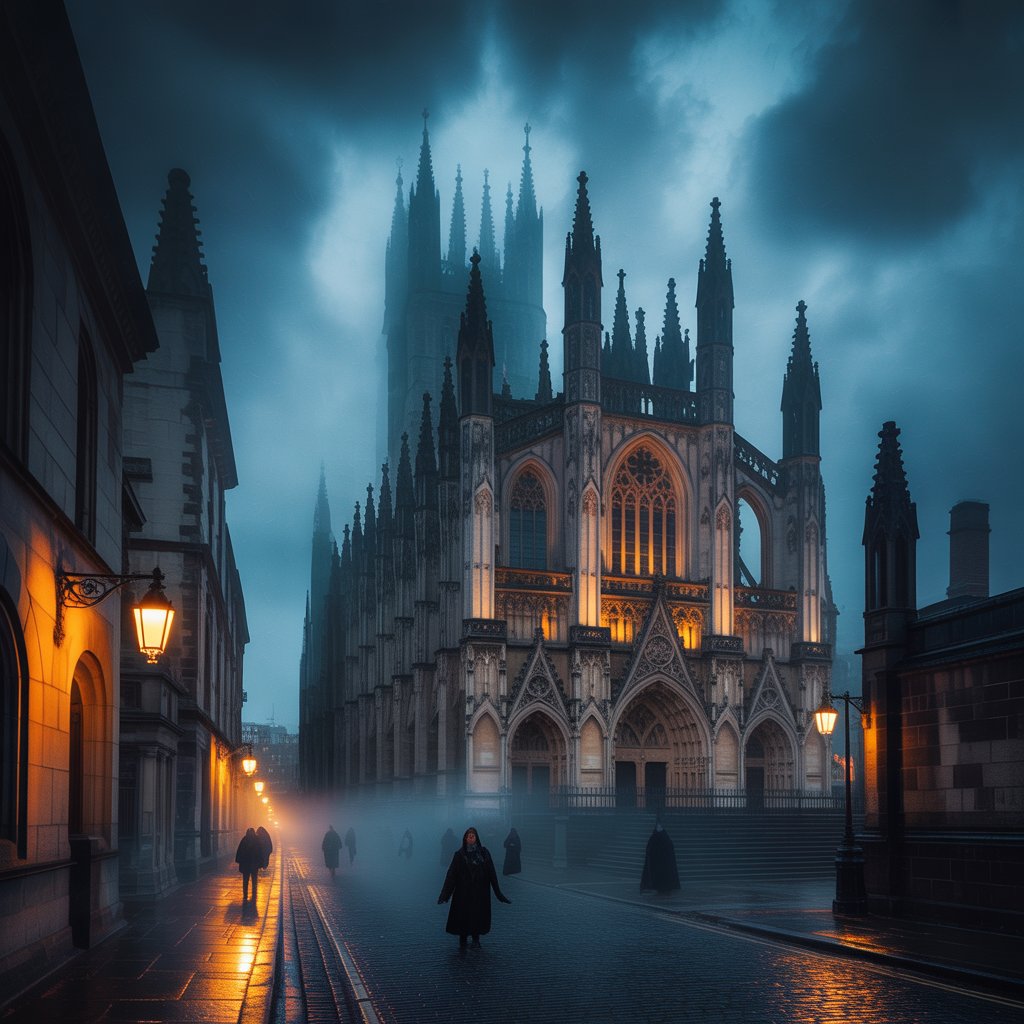
We are celebrating World Goth Day by exploring some of the UK’s most iconic Gothic architecture. From castles to churches and cathedrals, this timeless style has shaped history for centuries and continues to influence gothic culture today.
Keep reading to discover the origins of Gothic design, the role of religion in its development, and some of the most remarkable Gothic buildings across the UK.
About Gothic architecture
The Gothic style originated in 12th-century northern France. Interestingly, the term “Gothic” was first introduced during the Renaissance by Italian writers who used it as a derogatory label, associating it with the tribes that once destroyed the classical Roman Empire. Over time, however, it became celebrated as one of the most influential elements of gothic literature and culture.
Who popularised Gothic architecture?
Abbot Suger played a vital role in popularising Gothic architecture through his renovation of the Abbey of Saint-Denis in Paris. His use of height, light, and space created a design blueprint later adopted by England in structures like Canterbury Cathedral and Westminster Abbey. These monumental buildings feature innovations such as pointed arches, ribbed vaults, and stained glass windows—hallmarks of gothic architecture stained glass design.
What role did religion play in Gothic architecture?
Religion profoundly shaped Gothic architecture. Cathedrals and churches dominated this style, not only as places of worship but as visual representations of divine power. High ceilings symbolised the heavens, stained glass illuminated biblical stories, and cross-shaped floor plans reflected Christian symbolism. Gothic architecture became both an artistic and spiritual movement, much like how modern readers study works such as the mexican gothic summary for cultural context today.
What is the largest Gothic cathedral in the UK?
York Minster is the UK’s largest Gothic cathedral, standing 540 feet long and 220 feet tall. Known for its awe-inspiring stained glass windows, including the Great East Window, it has been preserved for centuries—even surviving the reforms of Henry VIII. This masterpiece continues to inspire architects, historians, and admirers of Gothic culture.
Gothic buildings across the UK
England
- Tyntesfield, Bristol – A Gothic Revival mansion built for William Gibbs, reflecting his Anglo-Catholic faith.
- Strawberry Hill House, Twickenham – Horace Walpole’s dream of a “little Gothic castle,” which remains a cultural landmark.
Scotland
- Glasgow Cathedral – Construction began in 1136, dedicated to St Kentigern, with breathtaking medieval design.
- People’s Palace, Glasgow Green – A social and cultural hub for the working class, blending Gothic character with community purpose.
Wales
- Castell Coch, Cardiff – A 19th-century Gothic Revival castle perched above Tongwynlais village, often used for films and weddings.
- Hafodunos Hall, Conwy – A Grade I listed Gothic mansion designed by Sir George Gilbert Scott, currently under restoration.
Northern Ireland
- Greyabbey, Strangford Lough – The first Gothic-style church in Northern Ireland, retaining its striking arches.
- Castle Ward – A unique mansion showcasing Gothic and Palladian styles, now a National Trust site and filming location for Game of Thrones.
Preservation of Gothic buildings in the UK
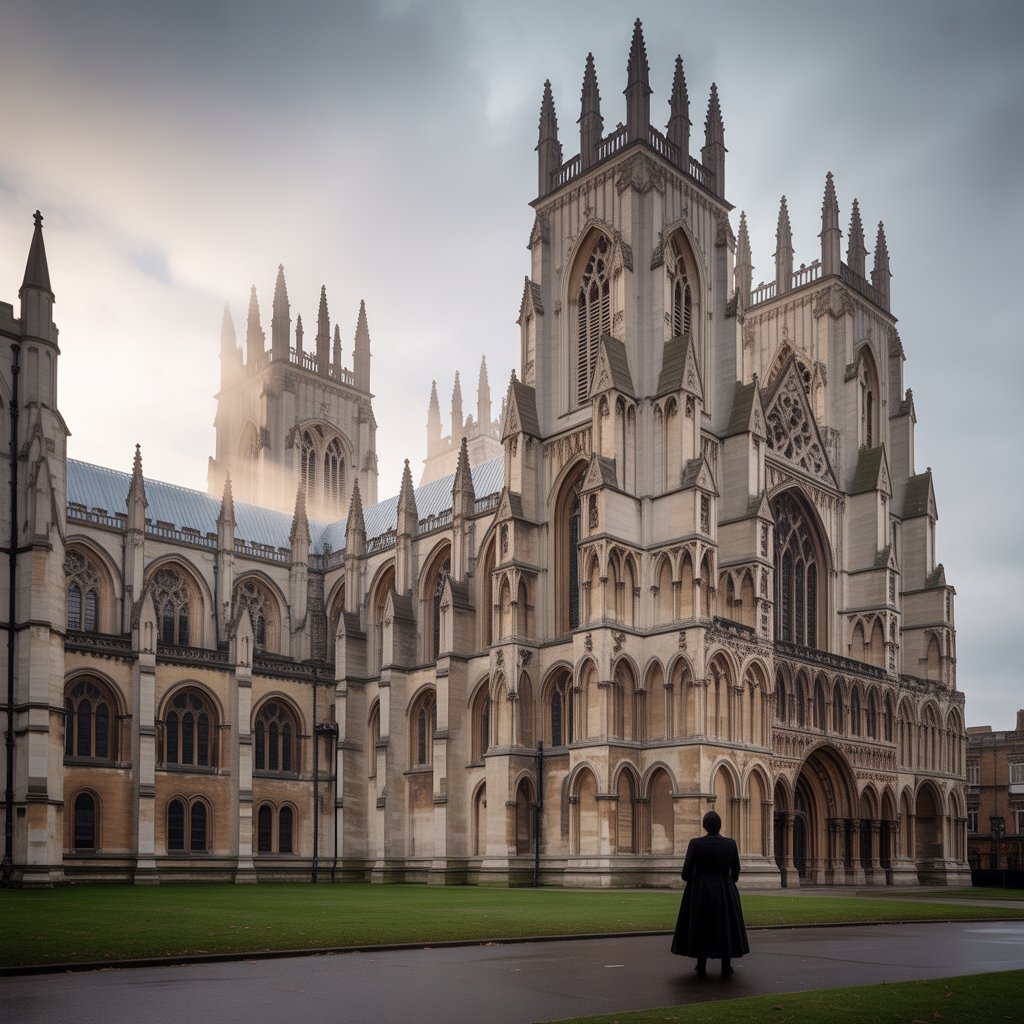
Organizations like the National Trust, the Architectural Heritage Fund, and the National Lottery Heritage Fund continue to protect and restore Gothic landmarks. These efforts ensure the preservation of cultural history, much like the heritage of the Barcelona Gothic Quarter hotels, where Gothic influence remains central to urban identity.
Celebrate World Goth Day with GothOutfit
At GothOutfit, we embrace the timeless spirit of Gothic culture. If you enjoyed exploring these architectural wonders, discover more about the Gothic lifestyle with our curated collections of women’s and men’s fashion, inspired by history, architecture, and alternative style. Celebrate World Goth Day with us and wear the essence of Gothic heritage.


