

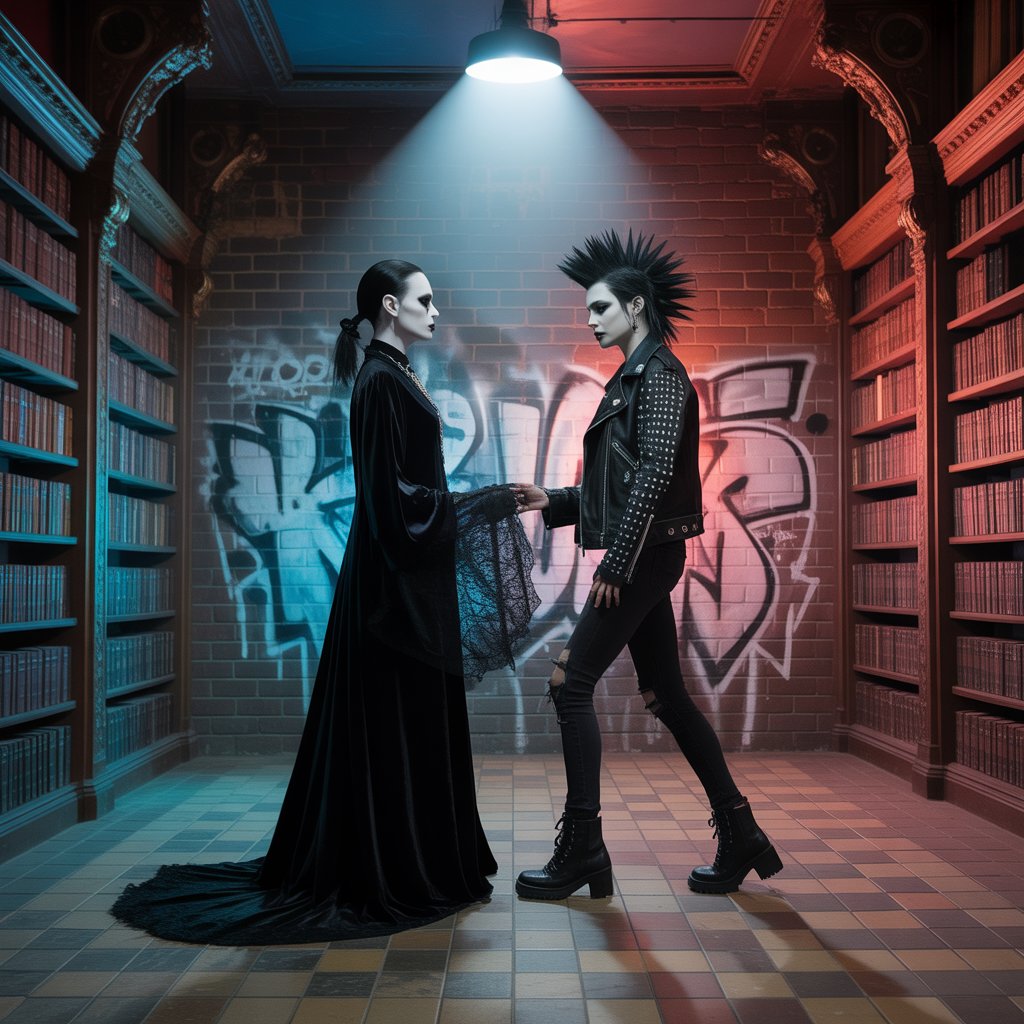
Punk and Goth have captivated countless individuals seeking to express their unique identities and challenge societal norms. Both subcultures emerged as powerful movements of rebellion and nonconformity, leaving an undeniable mark on music, fashion, and lifestyle. Yet, while they share some similarities, they are not the same.
From different types of goth aesthetics to punk’s raw spirit of defiance, each subculture tells its own story. Let’s explore their histories, philosophies, and defining traits to understand what truly separates them.
Historical Roots of Punk and Goth
Punk Origins
Punk first appeared in the late 1960s and early 1970s in both the U.S. and the UK. Bands like The Stooges, The Ramones, and The Sex Pistols gave punk its signature aggressive sound and DIY (Do-It-Yourself) ethos. Punk was not just music—it was a cultural protest against authority, mainstream consumerism, and political injustice.
Goth Origins
The goth outfit movement began in the late 1970s, emerging from post-punk and new wave influences. Bands like Bauhaus, Joy Division, and Siouxsie and the Banshees shaped the darker, moodier sound that would evolve into goth music. By the 1980s, goth had grown into a cultural identity, inspiring fashion, literature, and art.
Punk vs. Goth in Music
- Punk Music: Fast, raw, stripped-down, and politically charged. Its lyrics often confronted authority and social issues directly. Iconic punk bands include The Clash, Dead Kennedys, and Black Flag.
- Goth Music: Dark, atmospheric, and introspective. Goth lyrics often explore romance, melancholy, and beauty within darkness. Famous goth bands include The Cure, Sisters of Mercy, and Bauhaus.
While punk thrives on urgency and rebellion, goth embraces mood, depth, and emotional reflection.
Punk vs. Goth in Fashion
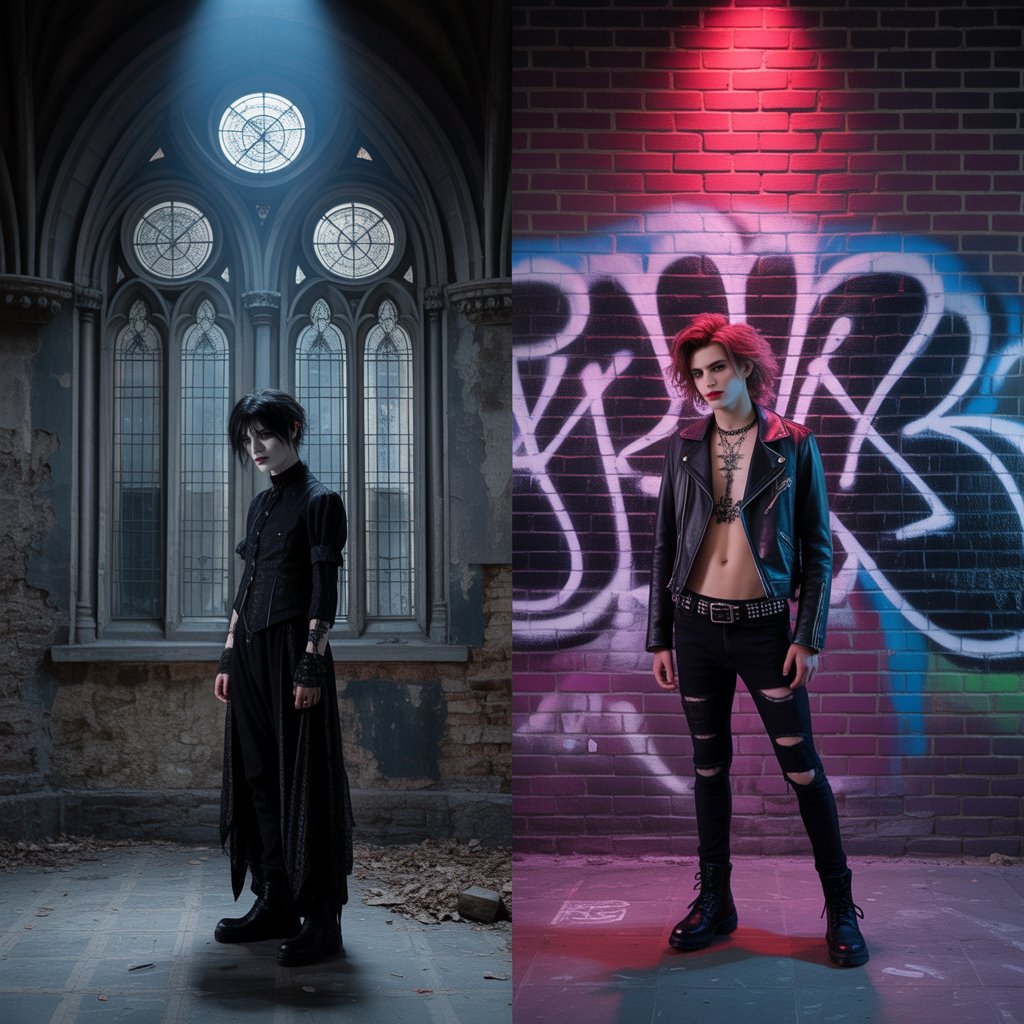
- Punk Style: Ripped jeans, leather jackets with studs, safety pins, combat boots, and DIY customization. It’s chaotic, aggressive, and unapologetically raw.
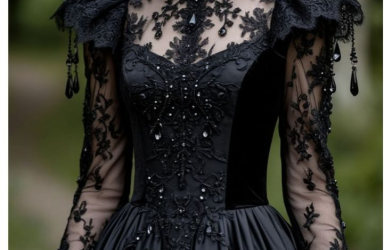
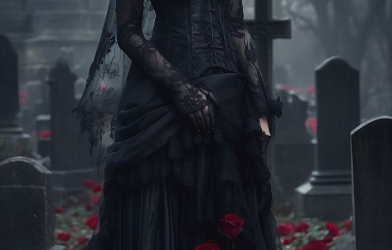
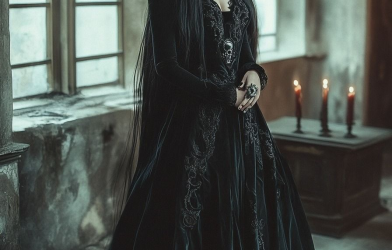
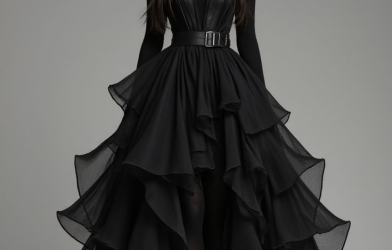
- Goth Style: Elegant, dark, and often Victorian-inspired. Corsets, velvet, lace, silver jewelry, and elaborate makeup create a dramatic and timeless aesthetic. The look is often associated with beauty in darkness, and in some cases, even special events like a goth wedding, where black dresses, lace veils, and ornate accessories replace traditional white bridal wear.
Lifestyle and Philosophy
- Punk Spirit: Anti-establishment, politically outspoken, and socially conscious. Punk celebrates individuality through rebellion and activism.
- Goth Spirit: Introspective, artistic, and often fascinated with the macabre and mysterious. Goths embrace their inner world, exploring themes of beauty, mortality, and identity.
Substyles: Different Types of Goth and Punk
Punk Substyles
- Pop-Punk (Green Day, Blink-182): Melodic, fun, and youthful.
- Hardcore Punk (Minor Threat, Black Flag): Fast, aggressive, emotionally raw.
- Street Punk/Oi! (Sham 69, Cockney Rejects): Working-class, gritty, and direct.
Different Types of Goth
- Romantic Goth: Inspired by Victorian and Renaissance fashion, emphasizing elegance and dark romance.
- Cybergoth: Neon colors, industrial fashion, and rave influences.
- Vampire Goth: Aesthetic influenced by gothic literature and vampire lore, with lace, velvet, and dramatic capes.
- Lolita Goth: A blend of Japanese Lolita style and gothic aesthetics, often featuring frills, lace, and crosses.
Final Thoughts
Though Punk and Goth share roots in rebellion and individuality, their paths diverged into unique subcultures. Punk is raw, chaotic, and politically fueled, while goth is dark, introspective, and artistic. Both, however, remain powerful forms of self-expression in alternative culture.
Whether through a bold goth outfit, a meaningful goth wedding, or exploring the different types of goth, these movements remind us that fashion and lifestyle are more than just trends—they are identities and philosophies that continue to inspire generations.