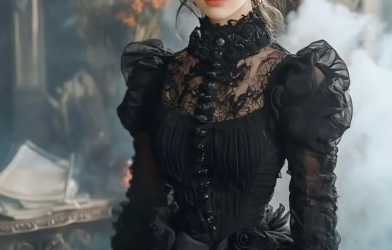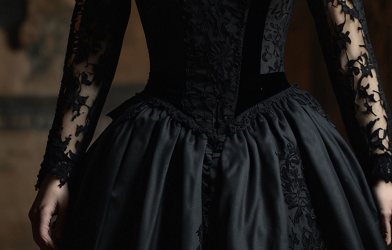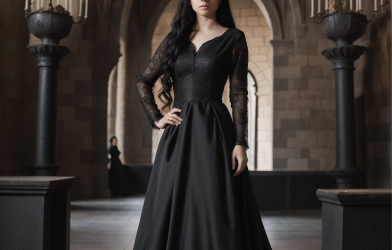


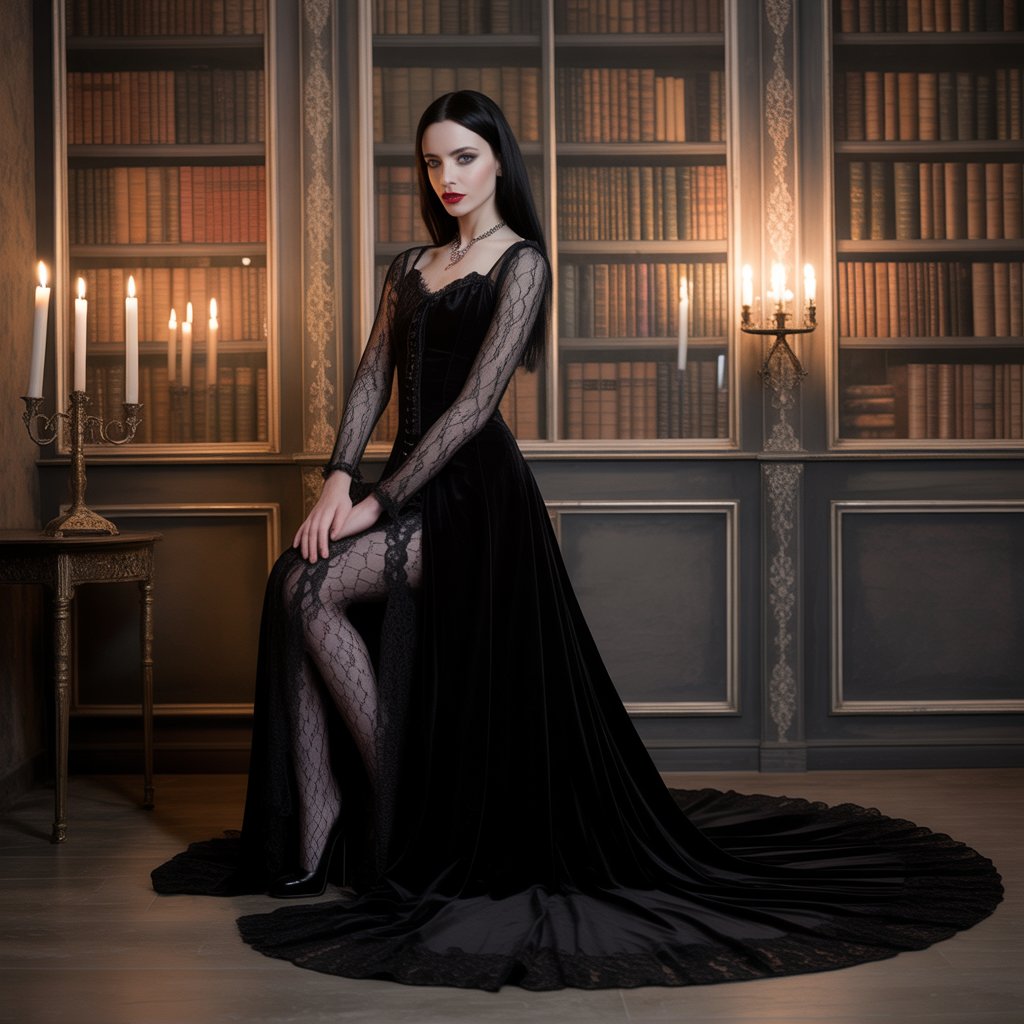
Welcome to the shadowy yet stylish world of gothoutfit, where dark aesthetics meet bold individuality. Whether you’re a fan of emo goth style, elegant black drapes, or edgy streetwear inspired by gothic culture, this is where creativity thrives. Fashion in the gothic realm isn’t just about clothing—it’s an identity, a mood, and a lifestyle. Today, we’re diving into six incredible alternative gothic fashion blogs that inspire and redefine what it means to dress darkly and beautifully.
1. Bones & Lilies
Bones & Lilies is the brainchild of Karoliina Korppoo from Finland, a fashion enthusiast who effortlessly merges simplicity with gothic flair. Her outfits—mostly black, layered, and flowing—embody timeless elegance. Her bright pink hair adds a splash of rebellion, perfectly balancing the soft and fierce sides of gothic femininity. From cozy at-home looks to striking party outfits, Karoliina’s emo goth style inspires confidence and authenticity. Her looks often pair loose black trousers or gothic pants with textured layers, creating a style that’s both comfortable and commanding.
2. Adele Psych
Adele Psych brings an unapologetic attitude to gothic fashion. Her blog radiates 80s goth vibes, featuring patent leather, latex, and daring silhouettes. She celebrates self-expression through bold textures and unique cuts. Adele’s approach is especially appealing to those who love baggy emo pants or experimental gothic pieces that combine punk energy with high-fashion aesthetics. She even runs her own label—proof that gothic fashion is as much about empowerment as it is about appearance.
3. Desperate Hell
Susanna Maria, the voice behind Desperate Hell, is another Finnish fashion icon whose style leans toward the practical yet undeniably chic. Her gothic ensembles are wearable, mixing casual streetwear with subtle dark aesthetics. If you’re someone who appreciates the effortless combination of emo goth style and ready-to-wear comfort, this blog will resonate deeply. Susanna often pairs dark oversized shirts with black emo pants, proving that gothic fashion can be stylish, accessible, and grounded.
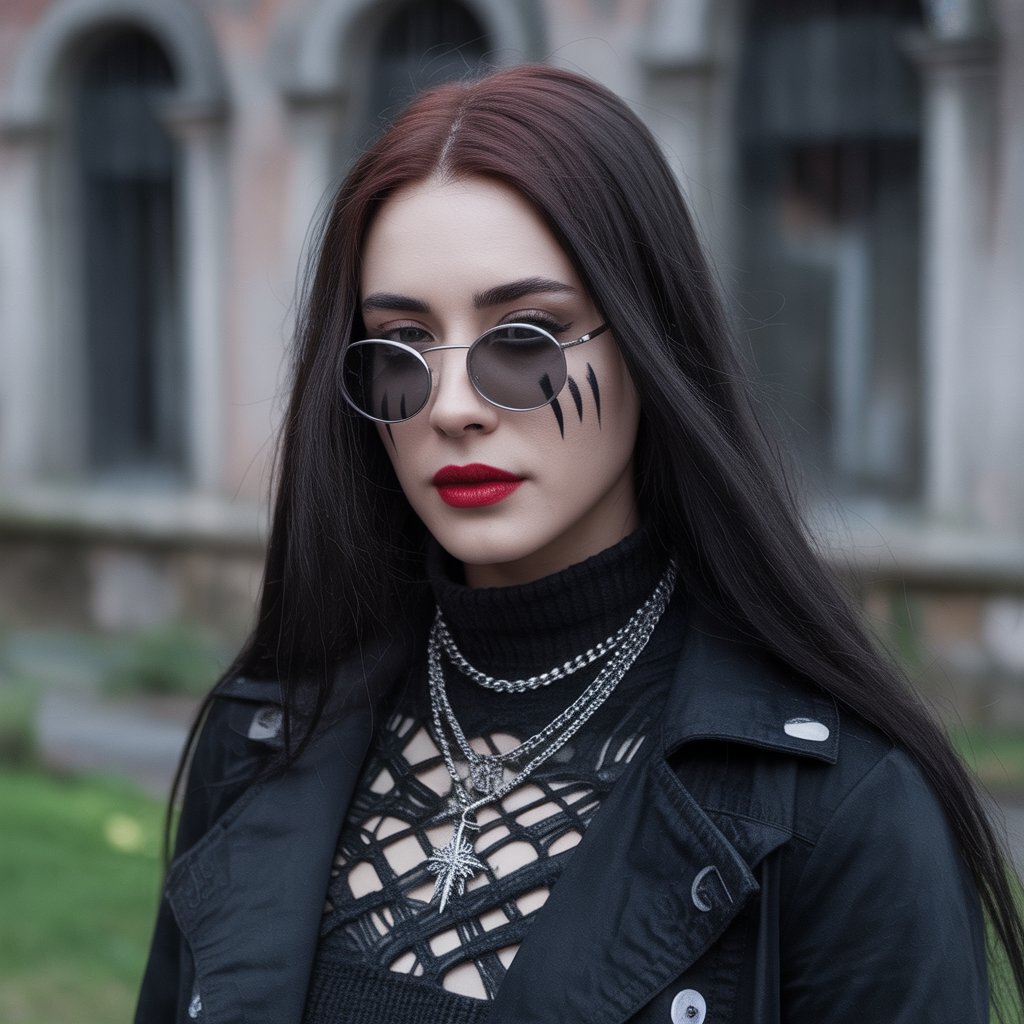
4. Olivia Emily
With her ethereal looks and striking red hair, Olivia Emily represents the romantic side of gothic fashion. Her soft, flowing dresses, paired with structured corsets and layered skirts, reflect a perfect blend of delicacy and rebellion. Think romantic goth meets runway elegance. She’s proof that gothic style isn’t confined to one gender or form—it’s about expressing inner strength through every stitch.
5. Feeling Vague
Amber Dennett, from Feeling Vague, adds a playful yet bold twist to gothic fashion. Green lipstick, unexpected accessories, and experimental layering define her wardrobe. Though her approach may seem unconventional, Amber manages to make everything work. Her blog celebrates individuality—mixing fun streetwear pieces, chokers, and emo cargo pants for a modern twist on classic goth. She’s living proof that gothic doesn’t always mean solemn—it can be quirky, vibrant, and fresh.
6. The Walrus Room
Sary Walrus’s blog, The Walrus Room, explores the evolution of personal style. From Gothic Lolita roots to a more punk-inspired aesthetic, she showcases growth, creativity, and a fearless approach to self-expression. Her fashion advice—like styling gothic outfits with confidence or embracing unusual textures—makes her blog a must-read for anyone passionate about the culture. Her insights on pairing emo pants with chains or styling tartan maxi skirts are especially inspiring for those exploring modern gothic trends.
Final Thoughts
These gothic fashion icons remind us that darkness has beauty, depth, and versatility. The world of gothoutfit celebrates this diversity—whether it’s through emo goth style, romantic elegance, or street-inspired rebellion. Each of these bloggers proves that gothic fashion is more than just black clothes—it’s a statement of individuality, confidence, and creative spirit.
So, whether you’re dressing up for a night out or curating your next gothic outfit with layered accessories and textured fabrics, remember: it’s not about following trends—it’s about owning your aesthetic.