

Goth culture has always embraced the mysterious, the romantic, and the macabre. Among the different types of goth, one of the most captivating is the Vampire Goth — a subculture inspired by the timeless allure of the undead. Those who identify with this aesthetic are drawn to the mystique of vampires, embodying their elegance, seduction, and darkness through fashion, lifestyle, and attitude.
In this detailed exploration, we’ll uncover the origins, key elements, and style preferences that define Vampire Goth, and how this hauntingly beautiful aesthetic continues to inspire modern gothic fashion, from dramatic lace tops to gothic pants and corseted silhouettes.
Origins of Vampire Goth
The Vampire Goth subculture is a branch of gothic expression that intertwines the legends of vampire mythology with the allure of dark romanticism. Its origins are deeply rooted in art, literature, and fashion movements that celebrate the eerie and eternal.
Literary Influence:
The fascination began with iconic works like Bram Stoker’s Dracula (1897), where Count Dracula became the archetype of charm, mystery, and eternal darkness. Gothic authors such as Edgar Allan Poe and Mary Shelley also contributed to this obsession with the macabre, influencing the evolution of vampire-inspired goths.
Cinematic Beginnings:
The early 20th century cemented the image of vampires in film. From Nosferatu (1922) to Bela Lugosi’s Dracula (1931), these cinematic masterpieces gave rise to the elegant yet sinister vampire aesthetic — something that still inspires the Vampire Goth fashion seen today.
Goth Subculture & Music:
When the goth movement emerged in the late 1970s, music from bands like Bauhaus, The Sisters of Mercy, and Siouxsie and the Banshees amplified the dark allure of the supernatural. Songs that referenced death, love, and eternity became the soundtrack of this mysterious lifestyle.
Cultural Influence:
Later, novels and series such as Anne Rice’s The Vampire Chronicles and Twilight reignited the world’s fascination with vampires, further embedding this aesthetic into the types of goth subculture. The result? A beautifully haunting blend of romantic darkness and timeless sophistication.
Elements of the Vampire Goth Aesthetic
Vampire Goth is more than a fashion statement — it’s a lifestyle that embraces elegance, melancholy, and seduction. While individuals express it in unique ways, several defining elements are universal.
Gothic Fashion:
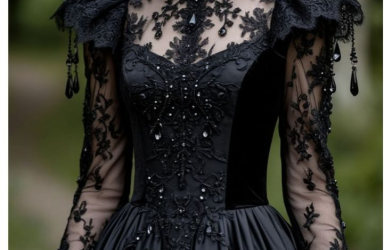
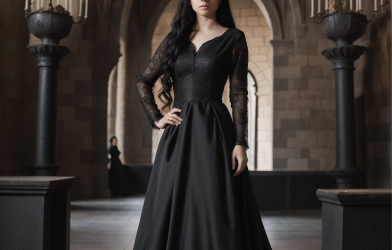
Expect flowing black fabrics, velvet, lace, and luxurious textures. Corsets, ruffled shirts, and gothic pants are wardrobe staples, often paired with long coats or dramatic cloaks. Deep red, burgundy, and black dominate this palette, symbolizing both passion and death.
Makeup & Appearance:
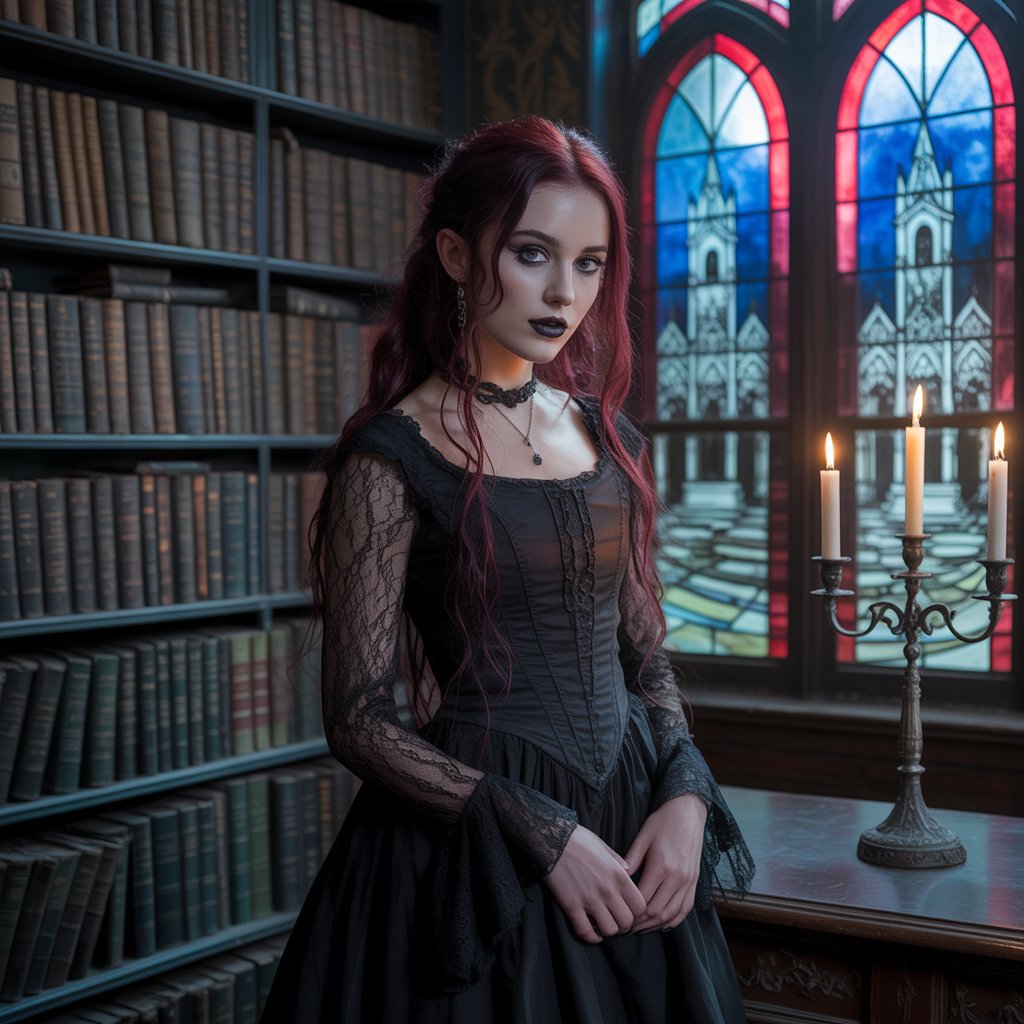
A pale complexion contrasts dramatically with dark eyeliner, bold eyeshadow, and deep crimson or black lipstick. Fangs, chokers, and ornate jewelry enhance the vampire persona — equal parts regal and menacing.
Hairstyles & Accessories:
Hair is often long, dark, and styled with deliberate volume or waves. Some vampire goths incorporate hints of crimson, silver, or violet hues. Accessories like lace gloves, chokers, crucifixes, and antique jewelry add layers of gothic decadence.
Vampire Symbolism:
Bats, roses, coffins, and crucifixes often appear in both fashion and art. These motifs reflect immortality, desire, and the eternal dance between light and shadow — core ideas within vampire goth culture.
Dress Preferences of the Vampire Goth
Vampire Goth fashion is where sensuality meets sophistication. Every outfit tells a story of eternal beauty wrapped in darkness.
1. Elegant Dark Clothing:
The essence of Vampire Goth style lies in rich fabrics — velvet dresses, satin blouses, lace hems, and long flowing skirts. For men, tailored coats and black gothic pants with metal details or chains complete the look. These are often paired with leather boots or heeled Victorian footwear.
2. Victorian and Edwardian Influence:
This subculture draws heavily from vintage eras, embracing corsets, high collars, lace sleeves, and layered skirts reminiscent of 19th-century aristocracy. The mix of power and delicacy gives the vampire goth aesthetic its timeless appeal.
3. Capes and Cloaks:
Nothing embodies a vampire’s elegance quite like a cloak. Crafted from velvet or lace, they add drama and mystery — perfect for night walks or themed gatherings.
4. Gothic Jewelry:
Jewelry choices lean toward the ornate and symbolic — silver crosses, onyx rings, chokers, and antique pendants. Each piece carries a sense of history, mysticism, or forbidden romance.
5. Makeup and Expression:
The vampire makeup look focuses on pale skin, defined cheekbones, and dark eyes. The lips are often blood-red or completely black, completing the haunting allure.
6. Hairstyles & Accessories:
Flowing dark hair, often styled with curls or waves, captures the romantic essence of the vampire. Hair accessories such as veils, brooches, or even feathered hats enhance the aristocratic look.
7. Gothic Pants and Modern Fusion:
While traditional vampire goth style leans toward dresses and capes, modern gothic fashion has evolved. Today, gothic pants, emo pants, and black cargo trousers are essential wardrobe pieces that blend comfort with darkness. Whether it’s high-waisted lace-trimmed pants or leather-fitted designs with metal chains, these pieces add an edgy twist to classic vampire attire — perfect for both men and women who love a versatile, dark aesthetic.
The Timeless Allure of Vampire Goth
“Vampire Goth” remains one of the most mesmerizing types of goth — a fusion of dark elegance, literary romance, and eternal mystery. It’s more than a style; it’s a way of being. Those who embody it aren’t simply dressing up — they’re channeling centuries of gothic history, sensuality, and emotion through their fashion choices.
At GothOutfit, we celebrate this hauntingly beautiful subculture through our collection of gothic outfits, gothic pants, corsets, and accessories. Whether you lean toward Victorian-inspired glamour or modern vampire chic, there’s a style waiting to bring your inner dark romantic to life.