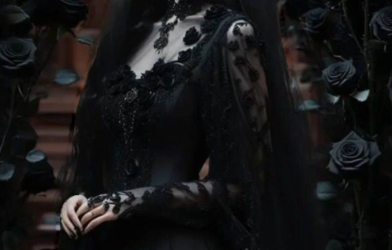


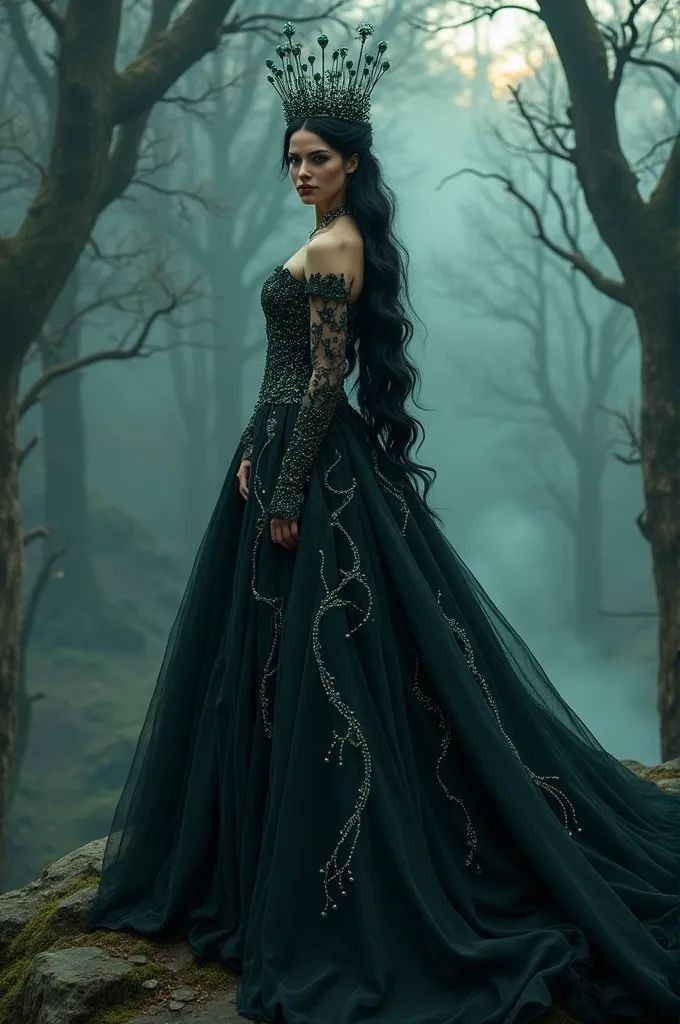
In the world of GothicOutfit, where dark romanticism meets aesthetic rebellion, readers often crave stories that mirror the same mystery and mood as their wardrobes. And that’s exactly why Daphne Du Maurier’s female-gothic novels remain timeless. Their stormy coastlines, decaying estates, and dangerously enchanting women align perfectly with the spirit of bold emo outfits, haunting silhouettes, and the gritty charm of a southern gothic men’s outfit.
Just like our clothes express hidden feelings and dark fantasies, Du Maurier’s world unravels secrets stitched between love, illusion, and fear—making her stories an irresistible escape for modern gothic souls.
What Is the Female Gothic?
The Female Gothic blends psychological fear, deep emotion, mystery, and femininity. Rather than relying on monsters, it reveals the darkness of relationships, identity, jealousy, and power.
Du Maurier’s novels Rebecca and My Cousin Rachel capture this beautifully—haunted estates, eerie atmospheres, and women whose intentions remain impossible to decode.
The Setting: When Landscapes Become Characters
The Cornish coastline in Du Maurier’s world behaves like a living thing. In Rebecca, Manderley isn’t just a house—it’s a ghostly presence.
In My Cousin Rachel, the estate becomes a battlefield of suspicion, charm, and emotional unraveling.
That same haunting energy mirrors fashion aesthetics like the drifting layers of a southern gothic boho outfit—wild, mysterious, and full of untamed elegance.
Who Are the “Villains”? Rebecca & Rachel as Gothic Icons
Rebecca de Winter
Her presence lingers long after death—felt in shadows and whispers throughout Manderley. She embodies the classic femme fatale but remains morally ambiguous.
Rachel Ashley
Seen as manipulative and seductive, but is she truly a villain—or misunderstood through a biased male narrator?
Both women portray gothic storytelling at its finest: ambiguity, beauty, darkness, and suspense.

Mystery Through Limited Perspectives
Du Maurier intentionally hides the truth behind layers of doubt. Readers only see Rebecca and Rachel through the narrators’ eyes—eyes clouded by jealousy and fear.
This mirrors gothic fashion too: not everything must be understood; some things are meant to be felt.
Why Modern Gothic Readers Still Connect
Today’s gothic lovers—especially those drawn to emo outfits or rugged styles like a southern gothic men’s outfit—appreciate complexity, emotion, and mystery.
Older readers saw these women as villains.
Modern readers see them as independent, bold, and powerful.
Are They Villains, Femme Fatales, or Antagonists?
Du Maurier leaves us with beautiful uncertainty.
Rebecca and Rachel might be:
- Villains
- Victims
- Or misunderstood forces of nature
Their mysterious aura is exactly why they remain unforgettable.
Final Thoughts
Just like gothic fashion, Du Maurier’s heroines defy labels. They are bold, mysterious, and unforgettable—just like the dark aesthetic pieces at GothicOutfit. From the layered elegance of a southern gothic boho outfit to the rebellious energy of emo outfits, gothic style and gothic literature share the same haunting heartbeat.
FAQs
Q1. Best gothic look for a dramatic vibe?
A: Go for layers inspired by a southern gothic boho outfit.
Q2. Outfit for dark romantic book lovers?
A: Lace + flowing black fits + emo outfits.
Q3. Best men’s gothic style?
A: Try a southern gothic men’s outfit with boots and vintage layers.
Q4. Does GothicOutfit have literary-inspired styles?
A: Yes, many collections match classic gothic moods.
Q5. Easiest look for beginners?
A: Start with all-black and build layers.