

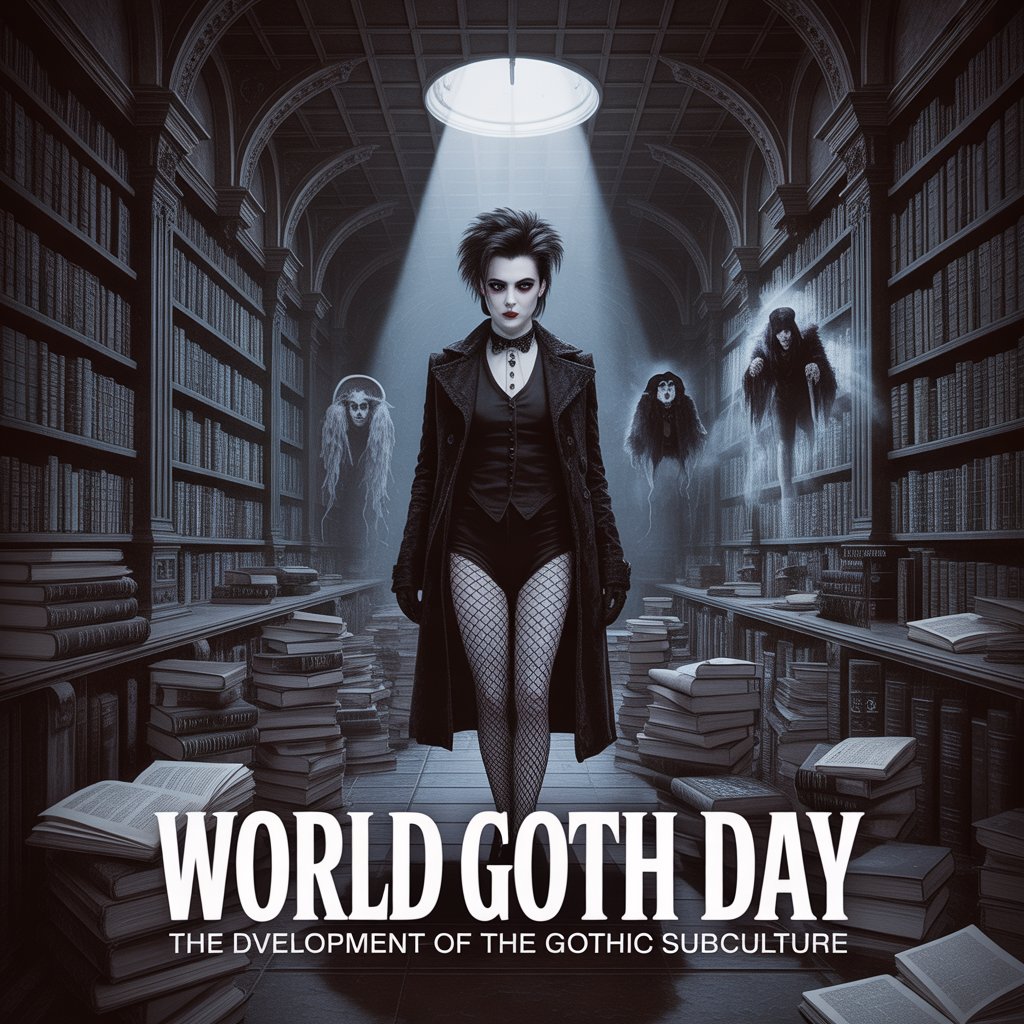
To celebrate World Goth Day at GothOutfit, we are diving into the fascinating development of the Gothic subculture. From the earliest Germanic Goths to the alternative movements of today, this journey explores the complete timeline of Gothic history.
What is the history of the Goths?
The original Goths were a Germanic people often labeled as “barbarians” due to their opposition to the Roman Empire. In 410 AD, a Gothic army famously attacked Rome, and by the end of the 5th century, the Visigoths (Western Goths) and Ostrogoths dominated much of the former Roman territory. Because of these events, the word “Goth” became synonymous with destruction, much like how “vandal” carries a similar meaning.
Throughout history, the term “Gothic” has evolved. During the Renaissance, it was used to describe medieval art and architecture, often as a critique. The Italian architect Giorgio Vasari was among the first to apply the term negatively, cementing it as a synonym for the “barbaric.”
Literature and theatre
The mid-18th century marked a turning point with the rise of Gothic literature. Horace Walpole’s The Castle of Otranto (1764) is often considered the first Gothic novel, blending the mysterious and the supernatural with drama and fear. By the 1790s, Gothic authors were flourishing, and their works quickly spread into theatre, captivating audiences with tales of villains, haunted castles, and social oppression.
The elements of Gothic literature — gloomy settings, supernatural forces, and psychological depth — became defining traits. These gothic literature elements still inspire not only books but also fashion, art, and music today.
Music
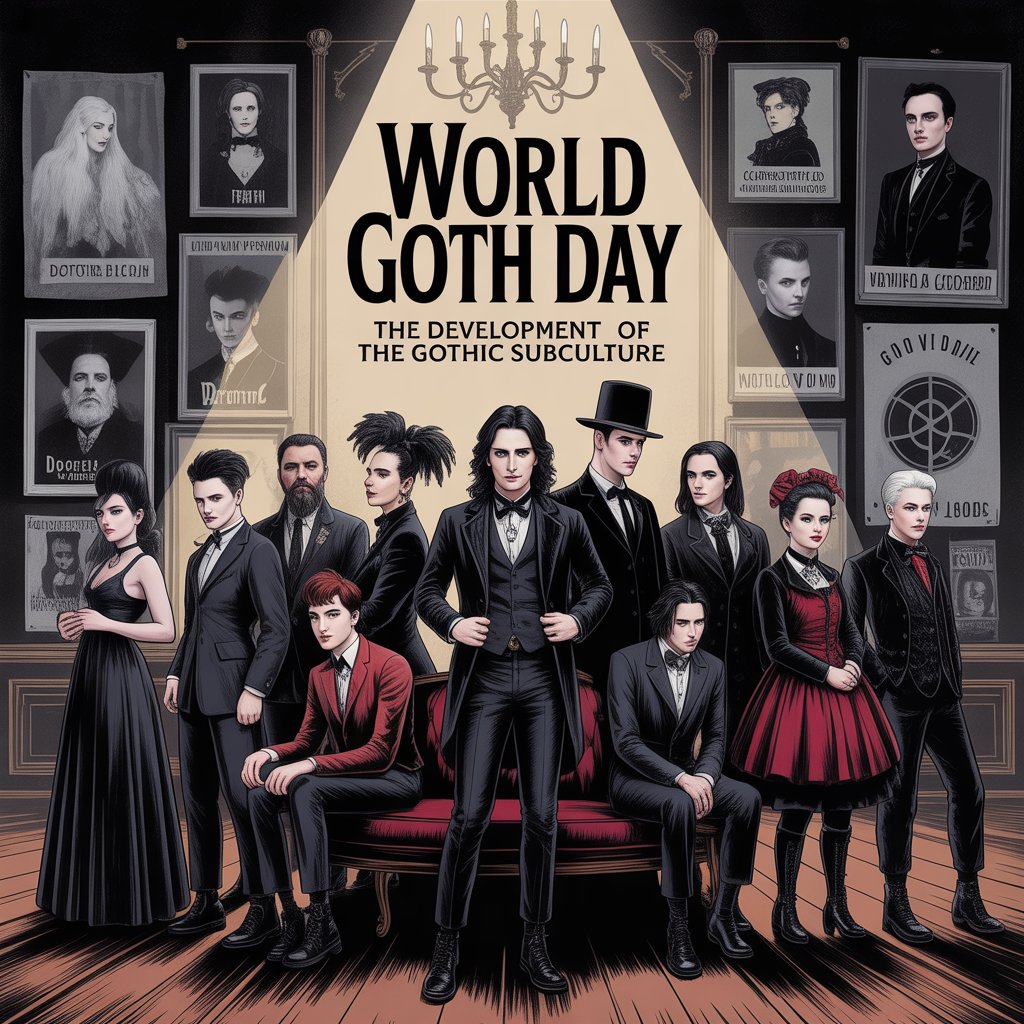
By the late 1970s, Gothic culture experienced another transformation through music. Bands like Joy Division, Bauhaus, and Siouxsie and the Banshees pioneered dark, moody, and melancholic sounds that became the foundation of the modern Gothic subculture. Fans matched the tone of the music with striking fashion choices — black clothing, heavy eyeliner, and dramatic styles — creating an aesthetic that went far beyond sound.
How has the Gothic subculture evolved over time?
From the late 1970s and 80s to today, Gothic culture has continued to evolve. While the original Batcave-inspired look remains iconic, countless subcultures now exist under the Gothic umbrella — from nu-goth and industrial styles to grunge, punk, cybergoth, and more.
The internet and social media platforms have accelerated this growth. Online spaces like Reddit, Tumblr, and Pinterest connect communities, provide access to music and literature, and allow Gothic enthusiasts to share inspiration for everything from outfits to makeup.
What influences the Gothic subculture?
The Gothic community draws its influences from multiple sources, with gothic authors, music, films, and art continuing to shape new expressions. Classic elements of Gothic literature remain central, alongside modern reinterpretations in fashion, theatre, and even lifestyle.
In addition, cultural landmarks like the Iowa American Gothic House have become iconic visual references, showing how Gothic imagery has crossed into mainstream art and popular imagination.
What’s the cultural perception of the Gothic subculture?
Despite stereotypes, Gothic communities are often built on openness, creativity, and shared passion for art, music, and literature. While outsiders may view Goths as overly dark or pessimistic, most embrace a healthy skepticism of authority and an appreciation for the beauty in melancholy. Far from isolated, many Goths thrive in vibrant, supportive communities.
What are some misconceptions about the Gothic subculture?
- “Goths are always miserable.” In reality, many are socially active, creative, and community-driven.
- “Goths only wear black.” While black is central, colours like red, purple, and green are also common.
- “Goths worship the devil.” Interest in Paganism, witchcraft, or occult symbols doesn’t equate to devil worship.
- “Goths only come out at night.” This stereotype is more connected to vampires than the Gothic lifestyle.
Celebrating World Goth Day at GothOutfit
At GothOutfit, we celebrate World Goth Day by exploring every aspect of Gothic culture — from architecture and literature to fashion and music. Our collections of men’s and women’s clothing, cosmetics, and lifestyle products let you express your individuality while staying true to Gothic heritage.


